FPV Wireframe may earn an affiliate commission if you purchase gear through our links, with zero added cost to you. Read our retail affiliate and referral disclosure
BETAFPV is best known across the first-person view (FPV) community for driving micro indoor quadcopters—commonly referred to as "tiny whoops"—into high-performance brushless territory. For pilots navigating living rooms, garages, or tight indoor tracks, a 65mm ducted quadcopter provides enclosed propeller guards that reduce damage during inevitable collisions with walls and furniture.
Operating a micro whoop setup, however, requires understanding the distinction between a complete aircraft and the bench hardware required to keep it flying. Below, we break down what the advertised BETAFPV Air65 package offers, alongside the essential wiring, repair frames, and bench tools that support 1S micro platforms.

Pinout definitions and voltage tolerances are listed per seller claims. Review open-source firmware targets before wiring to flight controllers.
The Complete Drone: BETAFPV Air65 Brushless Whoop
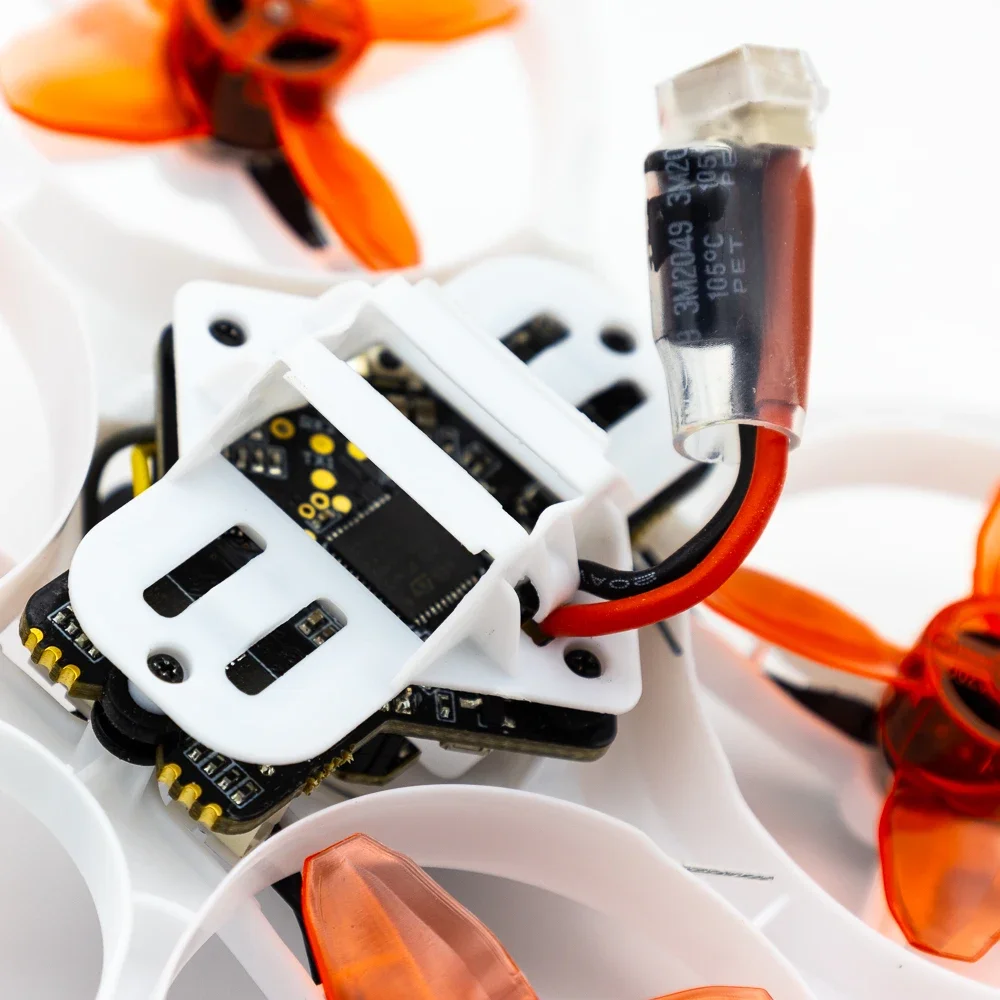
The primary ready-to-fly platform represented here is listed as the BETAFPV Air65 Brushless Whoop Quadcopter RC Racing Drone (2025). Built on a 65mm ducted footprint, this quadcopter represents the ultralight end of the brushless whoop spectrum.
Primary Platform Profile
- Design Configuration: Ducted 4-rotor micro frame with central flight controller canopy and forward-tilted micro FPV camera.
- Target Use: High-agility indoor proximity flight, micro racing, and tight-space practice.
- Shorthand Architecture: 1S brushless motor system utilizing lightweight push-on micro propellers.
Because micro whoops are subject to frequent low-speed tumbles, their design prioritizes weight reduction and propeller isolation. However, prospective buyers should always inspect the exact product listing options before purchasing. Key operational specifications—such as the internal receiver protocol (for example, ExpressLRS or FrSky SPI), the video transmitter frequency and output band, motor KV ratings, and whether flight batteries or a battery charger are bundled in the box—depend strictly on the selected marketplace variant and seller package.

Pinout definitions and voltage tolerances are listed per seller claims. Review open-source firmware targets before wiring to flight controllers.
Structural Maintenance: Air65 II Whoop Replacement Frame
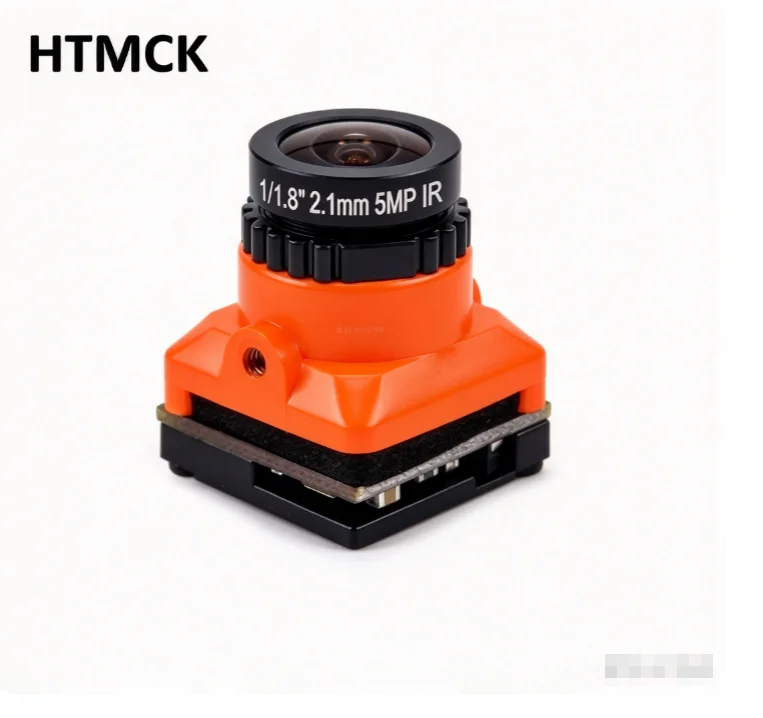
Micro whoop frames endure repeated mechanical stress. The BETAFPV Air65 II 65mm 1S Brushless Whoop Frame Kit is a bare structural replacement part designed to house the flight stack, motors, and battery cradle of an Air65 build.
When ordering standalone replacement frames, take note of several critical assembly boundaries:
- Bare Frame vs. Complete Drone: This listing provides only the molded plastic frame matrix. It contains no electronics, motors, cameras, or fasteners unless explicitly stated in the vendor's package checklist.
- Motor Mounting Holes: Ensure your specific micro brushless motors match the screw pattern and shaft clearance of the replacement frame ducts.
- Flight Controller Spacing: Standard 1S whoop flight controllers use specific mounting geometry (often 25.5×25.5mm diagonal patterns). Always verify standoff clearance before transferring hardware.
Pinout definitions and voltage tolerances are listed per seller claims. Review open-source firmware targets before wiring to flight controllers.
Power Delivery: BT2.0 U-Shape Pigtail Cables
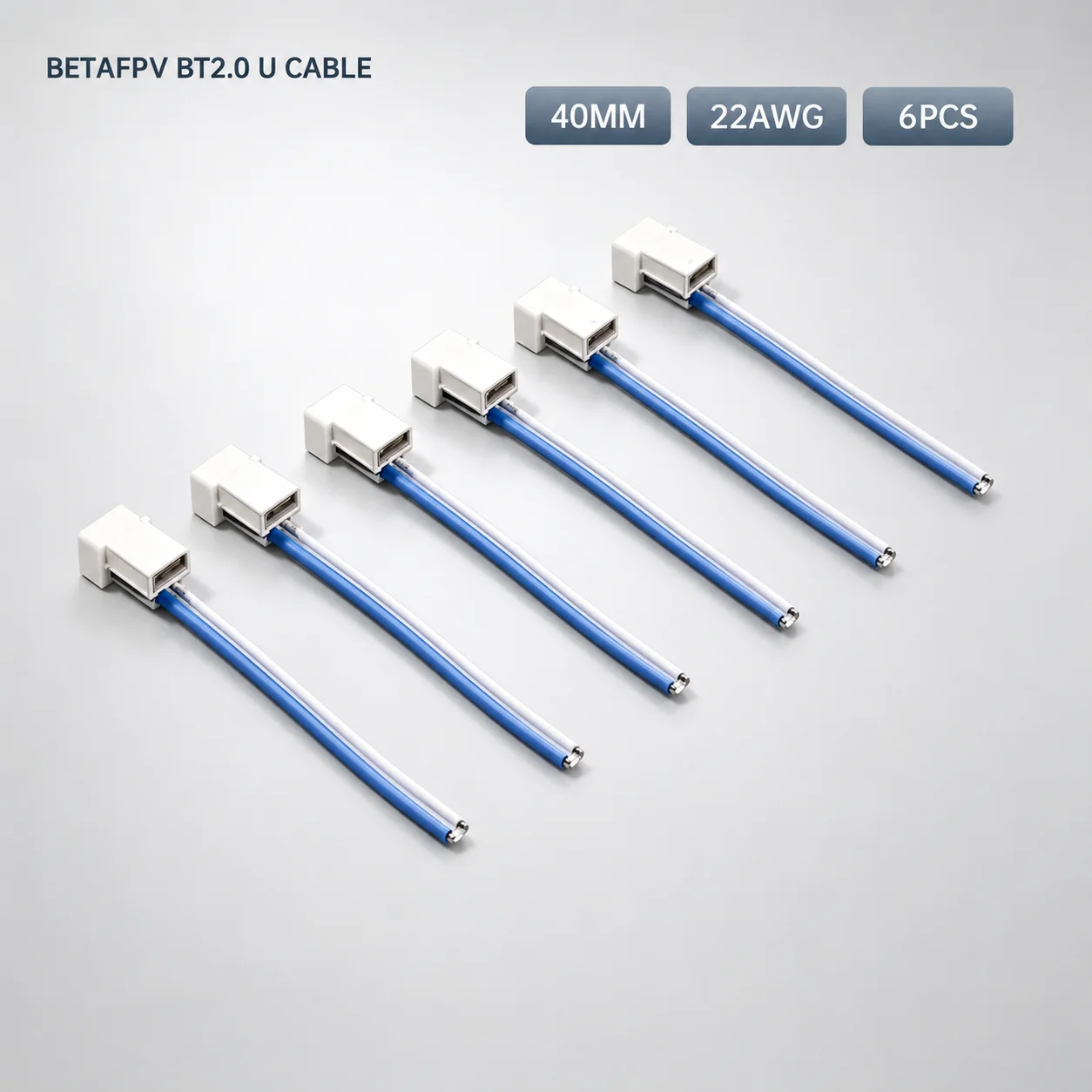
In 1S micro FPV drones, the power connection between the battery and the all-in-one (AIO) flight controller is a frequent source of performance bottlenecks. The BETAFPV BT2.0 U-Shape Male Cable Pigtail (40mm, 22AWG, 6-Piece Pack) serves as a low-resistance connector replacement.
Historically, smaller whoops relied on legacy folded-sheet connectors such as the PH2.0, which frequently suffered from voltage sag under high-throttle brushless loads. Solid-pin designs like the BT2.0 allow better current throughput on demanding 1S platforms. The U-shaped pre-bent 40mm 22AWG pigtail facilitates tight cable routing beneath whoop frames without placing undue strain on the flight controller solder pads.
Bench Note: Installing replacement pigtails requires soldering skills and strict adherence to correct electrical polarity. Reversing positive and negative leads on an AIO board will instantly destroy the board's unbuffered power circuitry.

Pinout definitions and voltage tolerances are listed per seller claims. Review open-source firmware targets before wiring to flight controllers.
Bench Maintenance: Aluminum Alloy Propeller Removal Tool
Micro brushless whoop propellers are press-fit directly onto motor shafts without securing nuts. Attempting to pry them off with bare fingers or screwdrivers frequently bends the fragile motor shafts, ruins the motor bearings, or snaps the frame ducts.
The Aluminum Alloy Propeller Puller Tool provides a stable mechanical solution. Using a spring-loaded plunger and dedicated ejector pins, the tool slides its bottom fork beneath the propeller hub and drives the motor shaft cleanly downward, popping the prop free without applying lateral torque to the motor bell.
What to Verify Before Ordering Micro FPV Gear
Because micro FPV equipment spans complete aircraft, modular upgrades, and maintenance tools, use this pre-purchase checklist before finalizing any order:
- Radio Protocol Compatibility: Verify that the Air65 flight controller's internal receiver matches your radio transmitter's protocol (most modern setups rely on internal or external 2.4GHz ELRS).
- Video System Match: Confirm whether the quadcopter's camera and video transmitter are analog or digital HD (such as Walksnail or HDZero), and verify that your FPV goggles support that exact band and transmission type.
- Battery Connector Matching: Ensure your 1S LiPo or LiHV batteries feature matching BT2.0 plugs if you choose a BT2.0-equipped model.
- Package Inclusions: Inspect the specific seller listing to confirm whether batteries, replacement canopy screws, extra props, or charging boards are included, as baseline ready-to-fly bundles vary widely between merchants.
Evaluation is based on published specifications and seller listings. No physical or hands-on testing was conducted; unlisted specifications may still be available from the seller.